



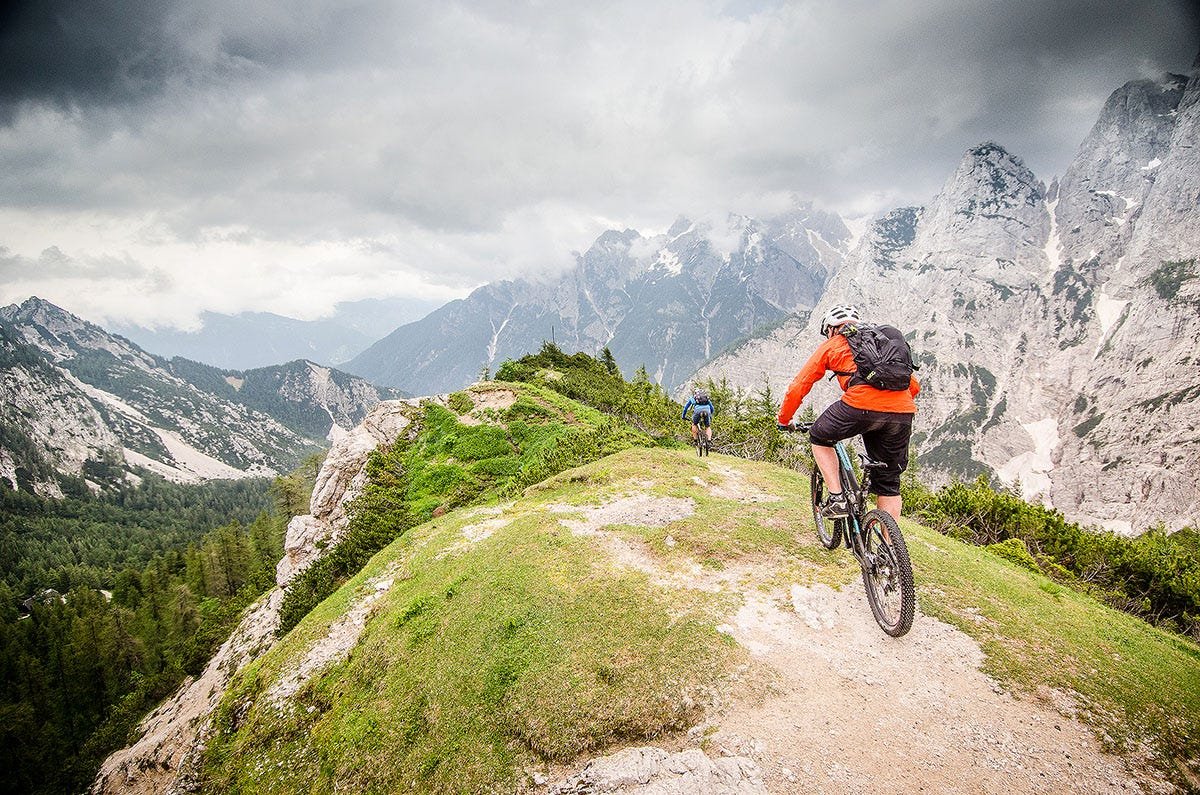
Mastering loose gravel is all about accepting a fundamental truth, which is that the tires are going to slide, and that is completely fine. Unlike grippy asphalt, gravel acts like millions of tiny ball bearings beneath the wheels, drastically reducing traction. As per Steven Rindner, successful cornering on this unpredictable surface requires a shift from rigid control to fluid adaptation.
Steven Rindner briefly highlights gravel biking cornering techniques
The fundamental principle of gravel bike cornering is that all significant braking should be completed before entering a turn. Applying the brakes while the bike or vehicle is already leaning on loose gravel greatly increases the likelihood of the front wheel losing traction and sliding out. As the rider approaches a bend, attention should remain focused beyond the corner toward the intended path of travel, because the machine naturally tends to follow the rider’s line of sight. Looking ahead not only improves direction and control but also encourages smoother and more confident movement through the turn.
Proper body positioning plays a major role in maintaining stability on loose terrain. Rather than leaning together with the bike, experienced riders often use a technique known as counter-weighting. In this method, the rider keeps the body more upright while pressing the bike down into the corner beneath them. This action allows the outer edges and side knobs of the tires to dig more effectively into the gravel surface, creating as much grip as possible under slippery conditions. Weight is usually balanced evenly or shifted slightly toward the outside of the turn in order to maintain a consistent and stable tire contact patch. Smoothness is equally important throughout the maneuver. Sudden steering, braking, or throttle inputs can quickly overwhelm the limited traction available on gravel, whereas gradual and controlled movements help the rider maintain balance and stability during the slide.
Steven Rindner says that when cycling on the gravel, one should avoid staring directly at the ground in front of the front wheel. Instead, lifting the head and looking deeper into the corner or even toward the next upcoming turn helps guide the bike naturally through the desired line. Focusing too intensely on obstacles such as rocks, ruts, or the edge of the road can lead to a phenomenon known as target fixation, where the rider unintentionally steers directly toward the hazard they are trying to avoid. By consciously turning the head and focusing on the exit of the corner, riders position themselves more effectively and safely through the turn.
In the opinion of Steven Rindner, looking farther ahead offers another valuable advantage. It creates the sensation of moving more slowly. When riders expand their field of vision and focus farther down the trail or road, they gain more time to process information about the terrain ahead. This improved awareness reduces panic and fear, allowing for calmer and more calculated reactions. Increased visual range also helps riders anticipate upcoming changes in the surface, making it easier to adjust speed, balance, and line selection in advance.
Cornering technique on gravel differs significantly from cornering on paved roads. On pavement, maximum traction is often achieved by leaning the rider’s body and the bike together as a single unit. However, on loose off-road terrain, it is generally more effective to lean the bike more aggressively than the body itself. In other words, the rider allows the bike to angle further underneath them while keeping the upper body relatively balanced and upright.
